AI & Operations
Tampa, FL
USNA · MBA · MSPM · MSIR
Service-Disabled Veteran-Owned
Buyers ask AI first now.Your job is to be the answer.
We measure how you show up across the seven engines your buyers now search, and we build the pages, agents, and workflows that put you at the top of the answer.
Engines tracked
7
Cadence
Monthly
First proof
15 days
Reporting
Named & scored
The Real Problems
Sound familiar? It should.
Four patterns · one root cause
01
Smart people stuck doing dumb work
Your analysts were hired for their judgment, not to copy data between spreadsheets. When 80% of their time goes to data prep, you're paying for expertise you're not using.
80%
of analyst time lost to work AI should handle
02
AI investments that never empowered anyone
You've seen the demos and hired the consultants. But nothing reached your team's hands. No measurable lift. Just strategy decks collecting dust while your people keep doing things the hard way.
85%
of AI projects never make it to production
03
Institutional knowledge is trapped in silos
Your team's expertise is scattered across ERP, CRM, spreadsheets, and people's heads. Nobody has the full picture. Great decisions require great information, and right now it takes days, not minutes.
3-5x
cost multiplier when teams lack unified intelligence
04
You want to augment your team but don't know where to start
AI agents, LLMs, copilots: the options are overwhelming. You need a partner who understands your people and processes, identifies where Human+AI creates the biggest multiplier, and actually builds it.
60%
of leaders say identifying the right AI use cases is their top challenge
How We Augment Your Team
Three ways in. One standard: shipped.
01
Your buyers ask an assistant, and it names someone else
AI Search Visibility
We measure whether ChatGPT, Perplexity, Gemini, and Google AI Overviews name your company on the questions your buyers actually ask, then fix the reasons they don't. A mention you never got leaves no trace in your analytics, so we instrument it first.
- A citation rate scored against competitors you name
- Entity and crawler repairs that lift citations without new content
- Re-measured every 30 days, so movement is provable
02
You know AI matters, but don't know where to start
AI Enablement & Strategy
We identify where AI creates the biggest multiplier for your team and implement it, from predictive analytics to intelligent copilots, so your people make better decisions, faster.
- Clear AI roadmap built around your team's workflows
- First Human+AI wins scoped and deployed fast
- Team upskilled to sustain and expand on their own
03
Your supply chain breaks when the world shifts
Resilient Supply Chain Design
We build AI-augmented supply chain networks using SAP IBP and AI-driven forecasting, giving your planners superhuman visibility so disruptions become manageable events, not crises.
- Planners augmented with AI-driven demand sensing
- Inventory optimization guided by human judgment + ML
- Scenario planning your team actually trusts and uses
Engagements
In the field.
Live work, named sectors, client identities held for confidentiality.
Three of the current book
Energy / Oil & Gas
7 answer engines
AI Visibility program
Citation rate baselined across the seven engines buyers now search, the 20-query set locked, monthly re-measurement live. Blog and social cadence running in production alongside.
Convenience Retail
57 stores
Agentic recruiting workflow
Agentic hiring pipeline scoped end-to-end across the network. Sourcing, screening, and scheduling automated, with human decision at the offer gate.
Specialty Chemicals
Process advisory
S&OP process design
Process Advisor for a greenfield S&OP standup, running in step with a global SAP supply chain implementation.
Delivery partner
AI enablement delivered with Proxigee Services.
Websites
Sites shipped.
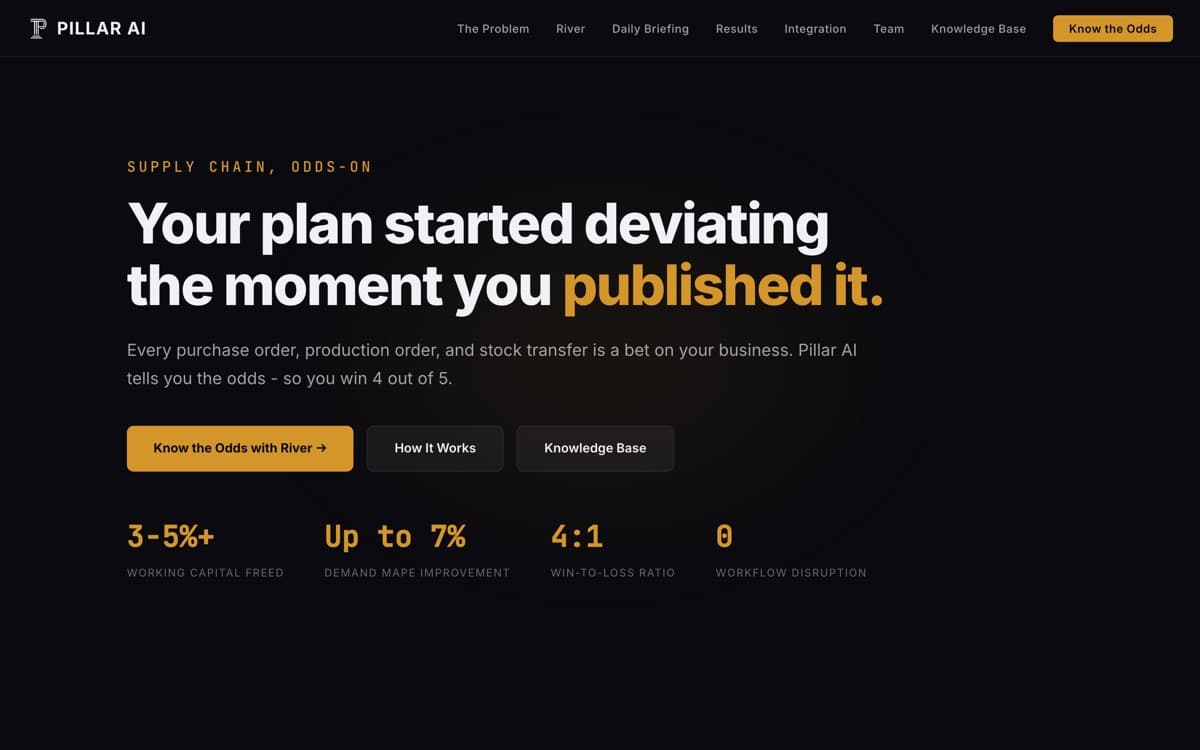
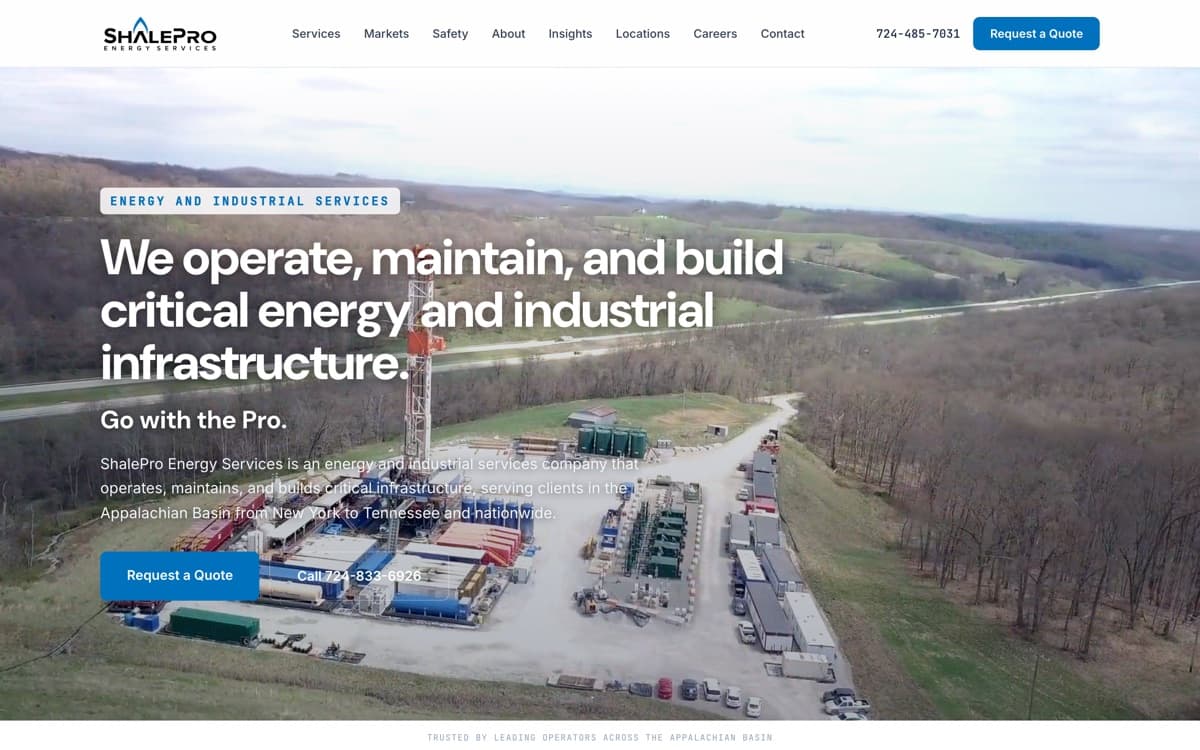
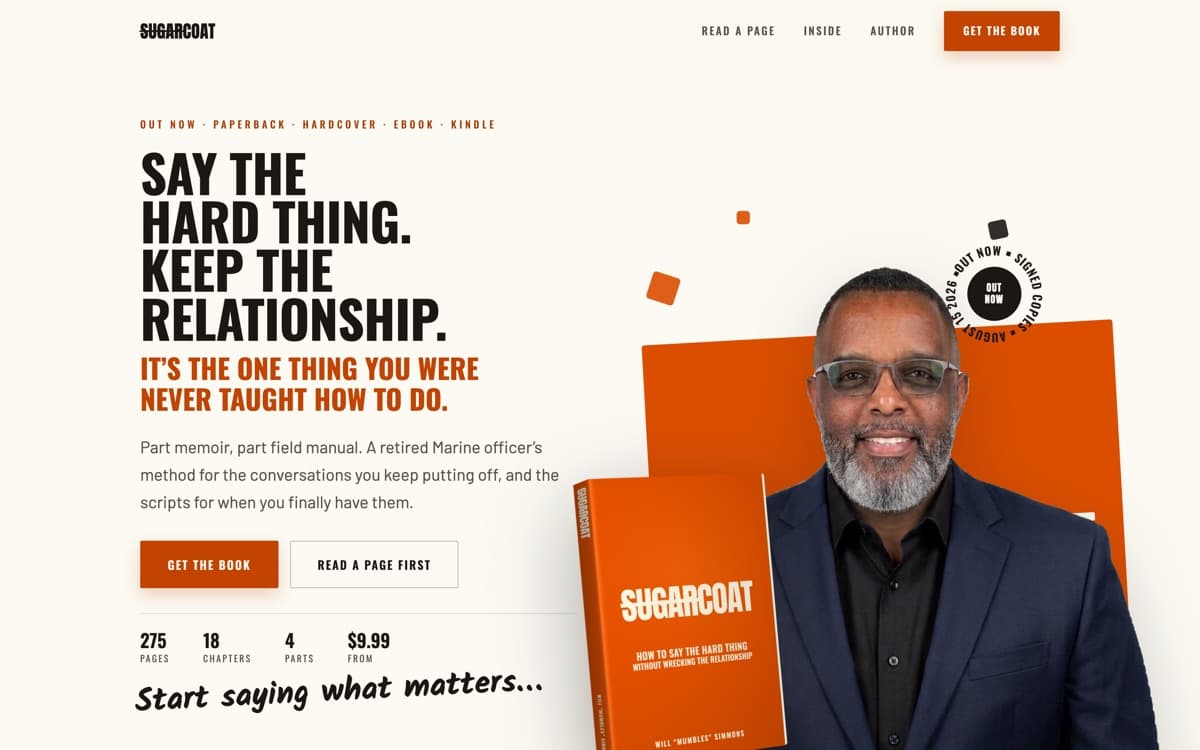
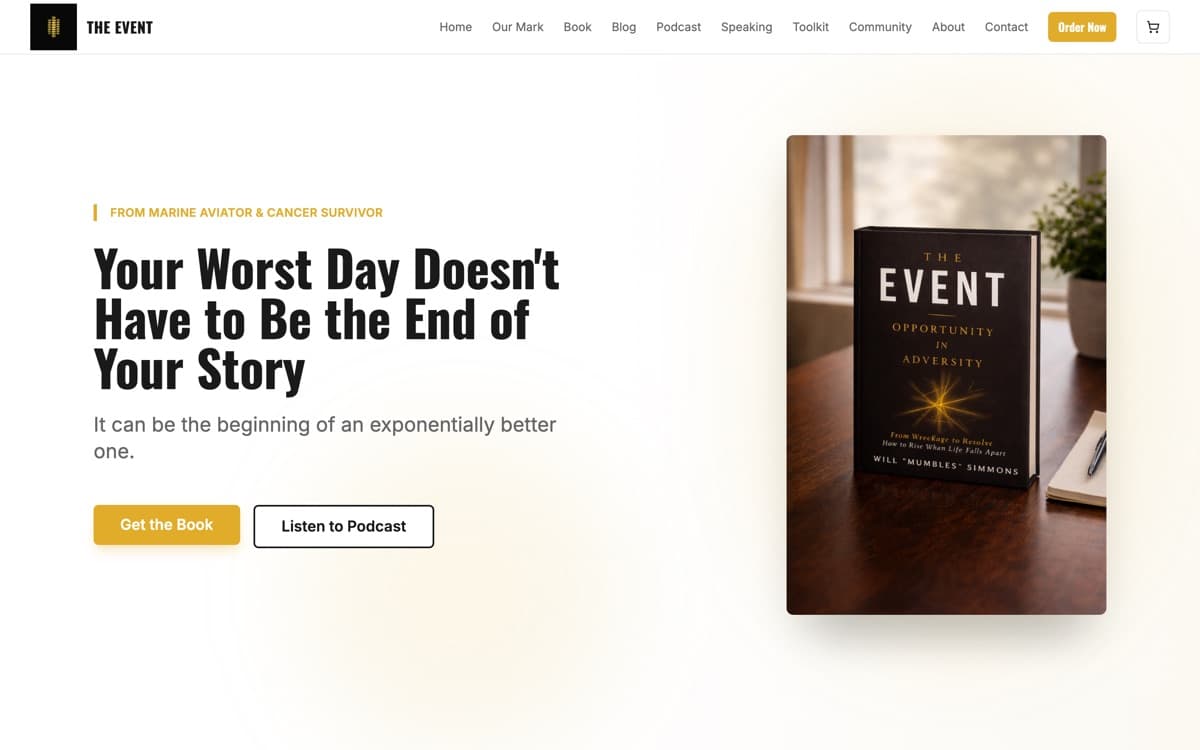
Brands, books, and businesses we've designed for. Hover any mark to see the site. Each one linked live.




Why TEM&C
The discipline of a Marine. The leverage of AI.
Human+AI
Every engagement designed to amplify your team, not replace them
5+
Industries with measurable AI transformation outcomes
20+
Years leading complex operations and technology transformations
SDVOSB
Service Disabled Veteran Owned Small Business
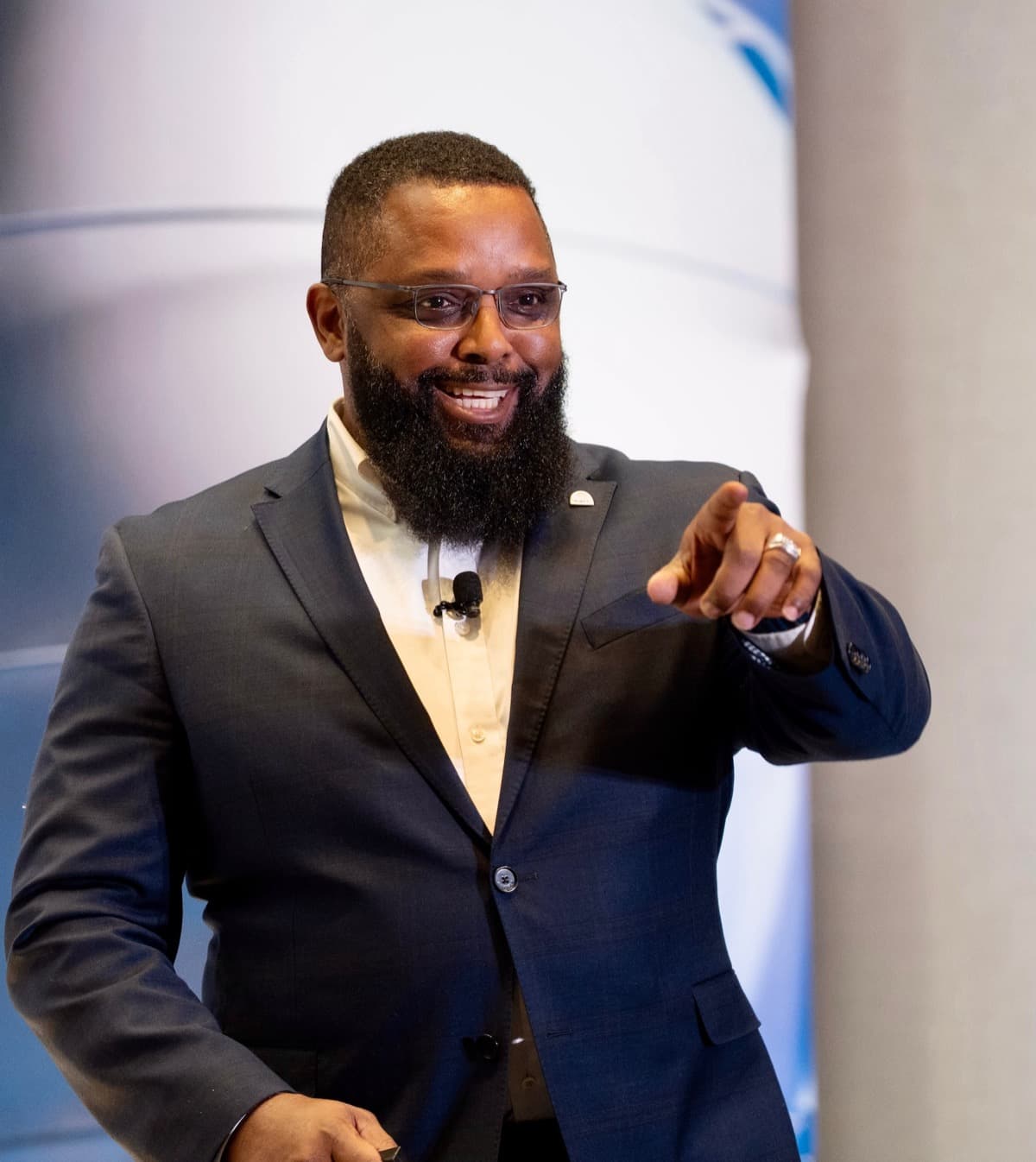
W. Simmons · Keynote
AI & Operations
01
AI that empowers, not replaces
We deploy AI systems your team actually uses, augmenting human judgment with intelligent automation, scoped to your reality.
02
Military-grade execution
Twenty years of Marine Corps operational leadership. Plans survive contact because they're built with the people who run them.
03
Built for results, not retainers
We scope engagements around outcomes, not hours. Enterprise-grade AI and operations expertise without the Big 4 price tag.
04
Deep operations expertise
From SAP IBP to agentic AI systems, real implementation experience across supply chain, operations, and intelligent automation.
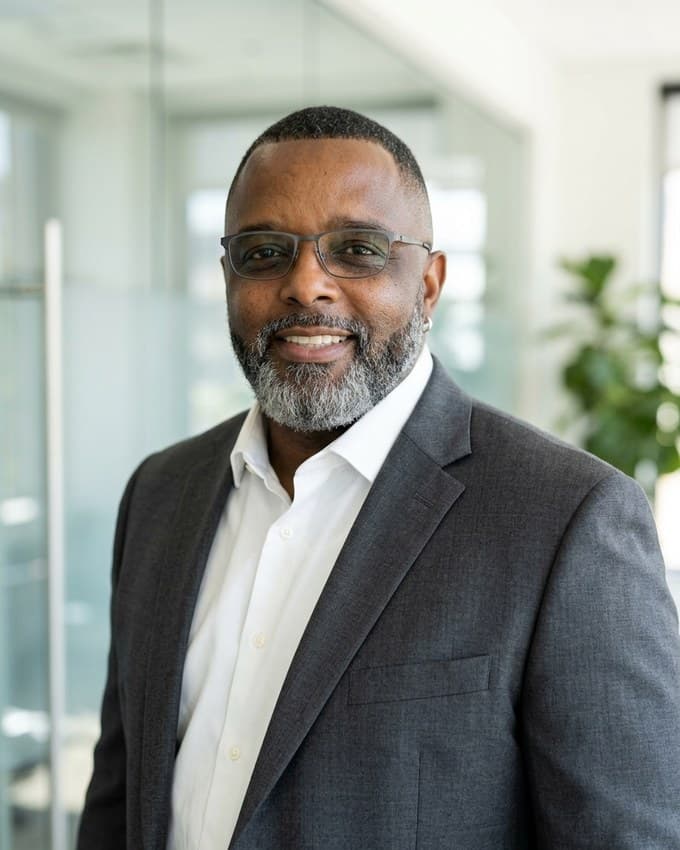
William Simmons · Managing Partner
USMC, Ret.
The Operator Behind It
Twenty years of missions where “it didn't ship” wasn't an option.
TEM&C is led by a Marine officer who spent a career making complex operations work under pressure, then brought that standard to supply chain and AI transformation. We augment teams, not just advise them. AI that elevates people, not replaces them. Mission-focused delivery, every engagement.
US Naval Academy, BS General Engineering
Retired USMC Lieutenant Colonel
F/A-18D Weapons & Sensors Officer, 2,000+ flight hours
Helped stand up and led an enterprise AI Center of Excellence
Former Director of Supply Chain at a Fortune 100 technology distributor
MBA, MS Project Management, MS International Relations
Augmented Intelligence · Agentic Workflows · Human+AI Operations
Tampa, FL · Serving nationwide